Ts’mysen Culture

Dating back more than 10,000 years, the Ts’msyen claim is one of the oldest continuous cultural heritages in the world. Today, the rich traditions, architecture, and culture of the Ts’msyen are an integral part of Prince Rupert’s community fabric.
Ts’msyen History

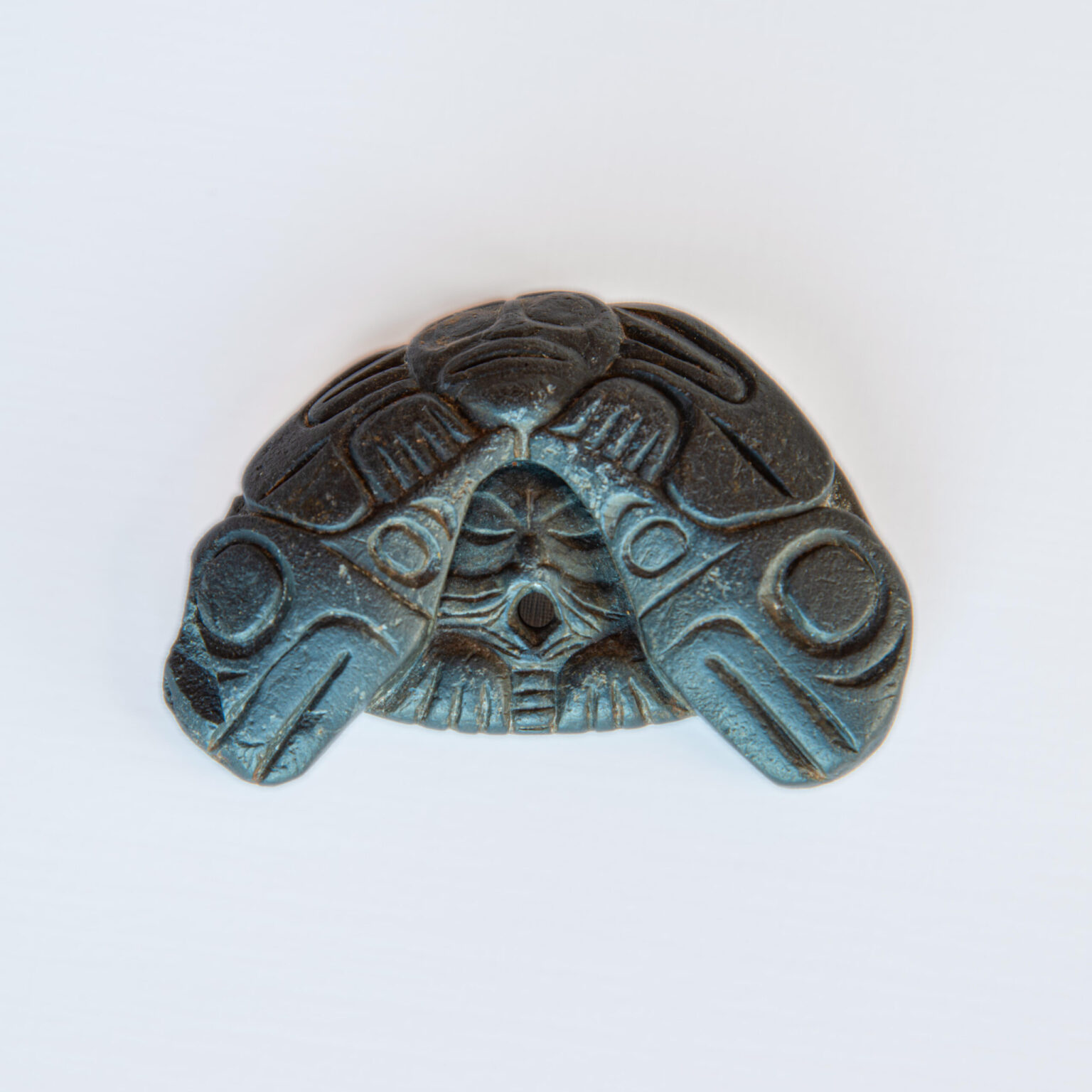
Lomootgm Halaaydm Swanasxw, Shaman Amulet. Courtesy of the Museum of Northern BC. Image by Mike Ambach.

Prince Rupert is located on the traditional territory of the Coast Ts’msyen People. Local Indigenous People have kept their history and culture alive over thousands of years with a sophisticated interweaving of oral history (adaawx), totem poles, house front paintings, ceremonial regalia, songs, dances, and feasts.

Made up of seafarers, warriors, and artisans, Ts’msyen culture is rich and diverse. The history of the Ts’msyen has been passed down through generations in the form of oral histories (adaawx) memorized by elders, chiefs, and matriarchs and made public through the Feast, or Potlatch, ceremony.

Of the seven Ts’msyen communities spread throughout Northwest BC, the closest to Prince Rupert are the small, coastal communities of Metlakatla and Lax Kw’alaams. Lax Kw’alaams, which means ‘Island of the wild roses’ is approximately 35 kilometres north of Rupert. Metlakatla, located in the Metlakatla Pass, is about seven kilometres northwest of Prince Rupert. Maxłaxaała means “Saltwater pass.”

Many other Nations from nearby territories are also represented in Prince Rupert, such as the Gitxsan, Nisga’a, Haida, and Heiltsuk People.

Society & Culture

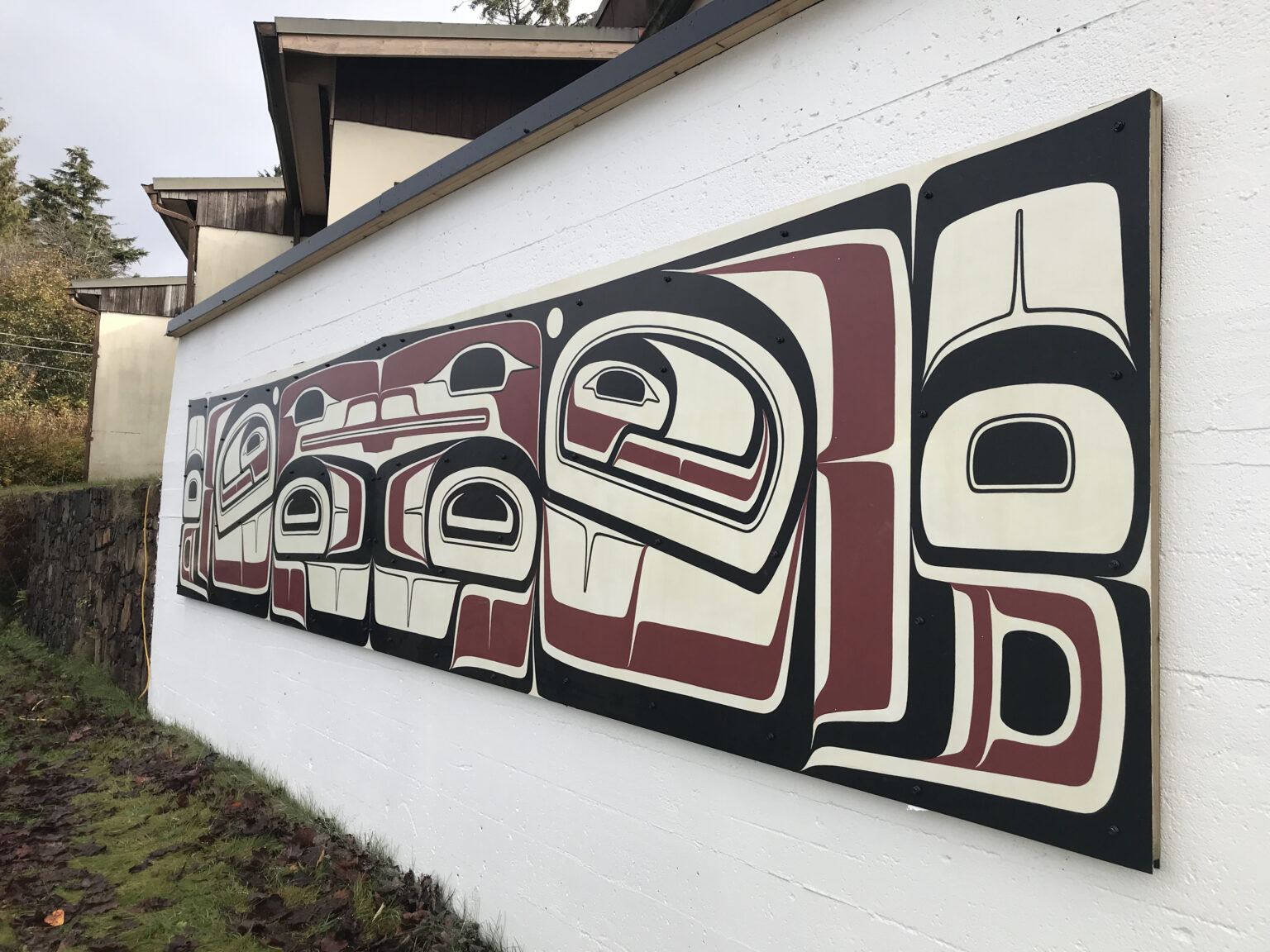
Our Wealth Mural by Russell Mather.

The Ts’msyen People have kept their history and culture alive over thousands of years with a sophisticated interweaving of totem poles, house front paintings, ceremonial regalia, songs, dances, and feasts. Ts’msyen society is traditionally matrilineal, with descent traced through the female line.

Ts’msyen society is multi-layered involving social classes, kin ties, and territorial units. The Ts’msyen are traditionally divided into four clans:

– The Laxskiik (Eagle Clan)
– The Ganhada (Raven Clan)
– The Gispwudwada (Killer Whale Clan)
– The Laxgibuu (Wolf Clan)

In Ts’msyen culture, individuals belong to the same clan as their mother. Hereditary chief titles are still maintained by both men and women.

The Ts’msyen continue the traditional practices of hosting community ceremonial feasts to celebrate name giving, marriage, divorce, adoption, and funerals. The harvesting of traditional foods such as salmon, halibut, eulachan, cedar, and berries also continues to be passed down through each generation as an important part of the culture.

Art & Language

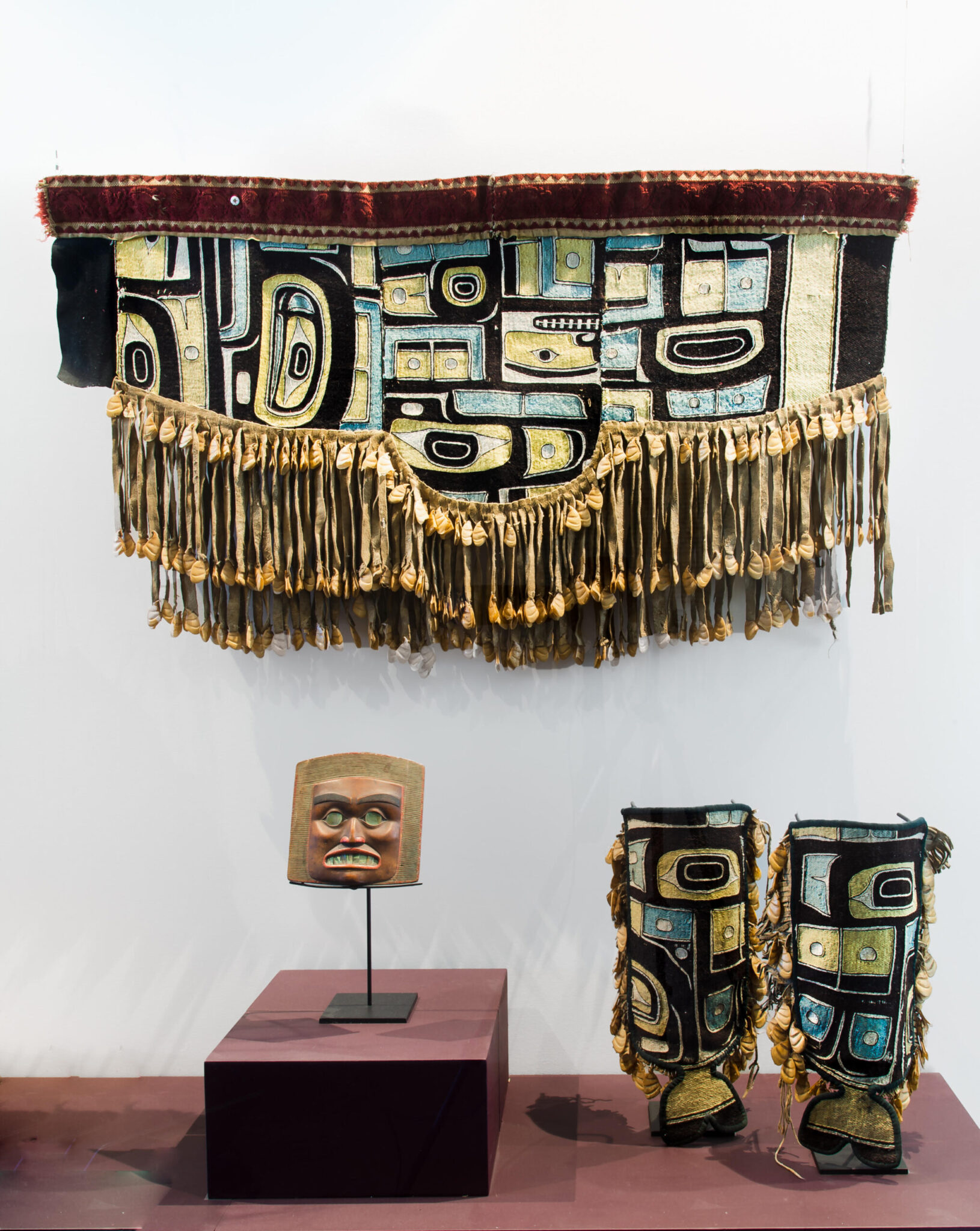
Ambalaan – Dance Apron and Leggings. Courtesy of the Museum of Northern BC. Image by Mike Ambach.

Sm’algyA̱x = “real or true language.”

The traditional language of the Ts’msyen is Sm’algya̱x. The Sm’algya̱x language is foundational to the Ts’msyen People and its preservation is extremely important. Sm’algya̱x is spoken by people from the Ts’msyen communities of Maxlaxaala (Metlakatla), Txałgiu (Hartley Bay), Lax Kw’alaams (Port Simpson), Lax Klan (Gitxaala), Klemtu, Gits’alaasu (Kitselas), Gits’m’Kalm (Kitsmkalum) as well as by Ts’msyen people who live in Prince Rupert, Terrace, Alaska, and beyond.

In Prince Rupert, the Ts’msyen Sm’algya̱x Language Authority works to provide resources for the teaching of Sm’algya̱x and the preservation of the language. For the Ts’msyen, Sm’algya̱x language, culture, and spirituality go hand in hand and help individuals connect to their territory. Learning Sm’algya̱x also helps to instill cultural pride in local Indigenous youth.

The Ts’msyen People also display their history and culture through a range of art forms such as painting, carving, weaving, and more. Ts’msyen artists often depict their house affiliation or family crest, as well as myths and creation stories about the origins of the land & sea. Humans, animals, birds, and fish are often depicted in addition to the crests seen in carvings and paintings on totem poles, house fronts, ceremonial entrances, and more. Traditional Ts’msyen artwork usually sticks to a simple colour palette that includes blues, reds, yellows, blue-greens, black, and white.

T’oyaxsut nüüsm

Thank you

Thank you to the Ts’msyen Sm’algyax Language Authority and the Museum of Northern BC for providing their resources and expertise to this page.

You can find more resources about Ts’msyen culture and Sm’algyax language below.